



Rusting
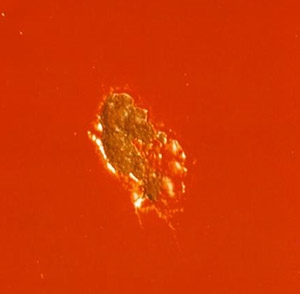
Causes
- Improper oil removal and cleaning procedures
- Failure to completely remove the rust on the metal surface using a sander
- Not using sheet metal
- Unnecessarily thin coating layers
Removal
- After the rust is completely removed, oil removal and cleaning should be conducted, and recoating should be made using the proper system.
Bleeding
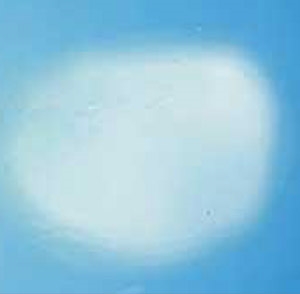
Causes
- Insufficient cleaning of the chassis protecting bituminous texture like coatings
- Adding more hardener than necessary to polyester-based products
- Insufficient homogeneous mixing of hardener and polyester-based product
Removal
- The part with bleeding should be sanded up to the problematic coat and recoating should be made.
Sanding Marks
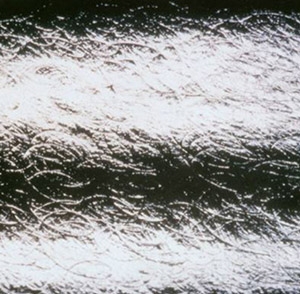
Causes
- Thicker sanding of the surface than necessary
- Missing/wrong edge blending sanding
- Not using the correct sander or sanding technique
- Dusts on the surface causing scratches during sanding operation
Removal
- Sanding should be made up to the problematic coat after the coating film has dried and recoating should be made
Blistering
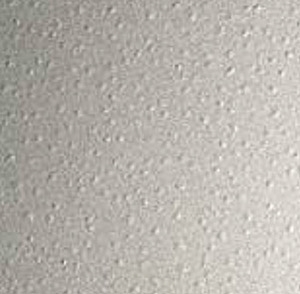
Reasons
- Salt compounds remaining on the surface after wet sanding
- Condensation of the moist air on the surface to be coated
- Wet sanding of the polyester putty and remaining moist afterwards
- Insufficient surface cleaning
Removal
- The surface should be sanded up to the coat where the blisters are and recoating should be made
Pinholes
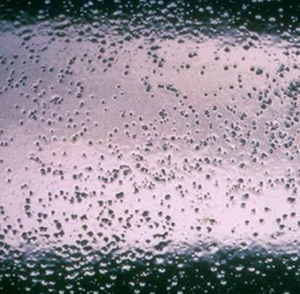
Causes
- Insufficient filling putty application on the surface with putty
- Incorrect and insufficient sanding and rough finish operations on the surface
- The use of a wrong putty mixing technique
- Applying materials with expired shelf lives
- RemovalShorter flash-off times than necessary
Removal
- Sanding should be repeated until pinholes are eliminated, and recoating should be made
Contour mapping
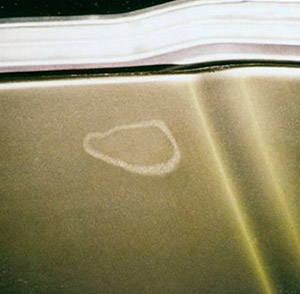
Causes
- Putty application on a sensitive or improper surface
- Not implementing oil removal prior to sanding
- Improper edge blending prior to putty application
- Improper edge blending sanding after putty sanding
- Applying a portion of the putty on an old-coated surface
Removal
- The application should be repeated with a careful sanding and edge blending procedure
Lifting
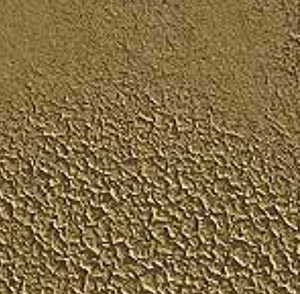
Causes
- Applying on a surface that is not fully dry
- Longer Flash-off times than necessary thus causing the lower coat of the applied coating to lift
Removal
- The section with lifting should be sanded and recoated.
Weak Adhesion – Putty
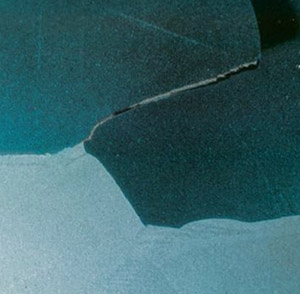
Causes
- Improper surface cleaning procedures
- Insufficient or thin sanding
- Using a putty that is not suitable for the surface
- Insufficient mixing of the putty and the hardener and wrong application technique
Removal
- The section with weak adhesion should be sanded and recoated with the correct system
Weak Adhesion – Plastic
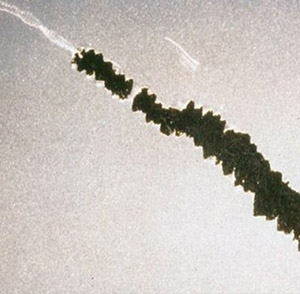
Causes
- Improper surface cleaning procedures
- Insufficient or thin sanding
- Not using the proper plastic primer for the surface
- Plastic putty application thicker than necessary
Removal
- The section with weak adhesion should be sanded and recoated with the correct system
Thickening
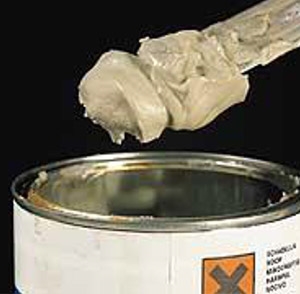
Causes
- Higher storage temperature than required
- Leakage problem in the mixer between the cap and the coating
- Overmixing of the components in the mixer
- Leaving the cap of the products open for a long period of time
Removal
- Parts with thickening should be replaced with new ones.
Settling
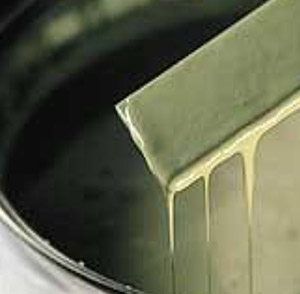
Causes
- Very high temperature or high temperature differences at the warehouse
- Shelf-life expiration for the coating
- Insufficient mixing of the components in the mixer
- Coating left to wait for long periods of time in a thinned state
Removal
- If the shelf life is not over and the temperature has not affected the coating quality, the product should be mixed thoroughly